

Table of Contents
ToggleCervical Pain and Headache: Understanding, Managing, and Finding Relief
meadechiro
July 7, 2025
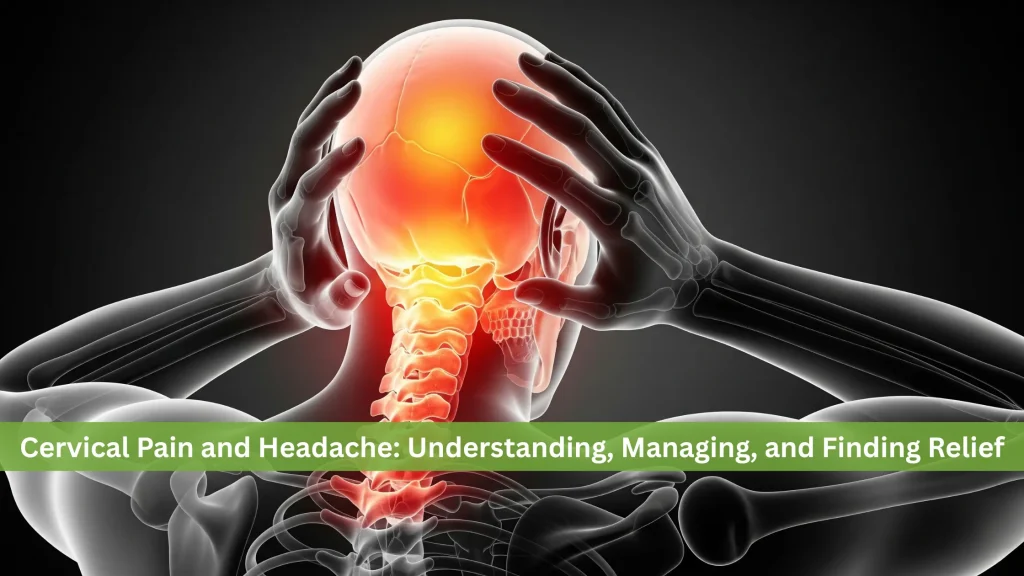
Have you ever experienced an unusual neck pain that results in a headache? If so, you are not alone. In this digital age, millions of people suffer from cervical pain and headache, without understanding the root cause or the best way to treat them.
These discomforts aren’t occasional; they can become obstacles in daily life and disrupt sleep quality, productivity, and mental well-being.
Cervical pain and headaches are more common than ever before due to the rise in desk-bound lifestyles, bad posture, and excessive screen time. However, many people ignore the early warning signs, which can lead to misdiagnosis, chronic pain, or ineffective self-treatment.
In this blog, we will explore how chiropractic care can provide relief from cervical pain by targeting the root cause and using holistic care strategies.
Uncovering the Causes of Your Neck Pain and Headache

The neck and cervical spine form a complex structure comprising vertebrae, discs, muscles, and a network of nerves. Poor ergonomics, long hours at the desk, and improper sleeping postures can result in muscle imbalance and tension. Whenever any part of the structure becomes compromised, it can lead to neck pain and headache.
Some common culprits include:
- Unclear Condition: Many of the people are undiagnosed; they don’t know whether the headache is due to migraines or caused by cervical.
- Poor Posture: Poor sitting arrangements at the workstation and constant screen usage lead to chronic strain.
- Repetitive Movement: Caused by repetitive neck movement or a past accident.
- Delaying Medical Care: Ignoring early signs can invite worsening over time.
Additionally, ignoring these culprits causes serious cervicogenic headaches that are the direct result of spinal issues, cervical pain and headache.
Is It a Cervicogenic Headache or Something Else?
Many times, patients mistakenly understand cervicogenic headache as a tension headache or migraine. However, it was caused due to structural issues in the neck, especially in the cervical spine.
According to a recent study on cervicogenic headache, this condition often presents with distinct symptoms, including:
- One-sided pain that doesn’t shift.
- Feeling unbearable pain with certain neck movements.
- Pain usually starts from the base of the skull and moves towards the front of the head.
This confusion creates a delay in treatment, which causes cervical pain and headache, which can further strain surrounding tissues.
According to the chiropractic expert, a manual examination and patient history are required to pinpoint the exact source.
Severe Neck Pain and Headache Base of Skull: A Warning Sign
Experiencing severe neck pain and headache base of skull can be more than a minor problem. Even this pain indicates a deeper structural and neurological concern, such as spinal misalignment, cervical disc herniation, or compressed nerve.
Points you should not overlook:
- Feeling regular pain at the skull base that worsens with limited movement.
- Long-term health issues.
- Feels tingling and numbness in the arms.
These symptoms lead to limited mobility, worsening pain, or many health issues. An expert chiropractic consultant uses professional diagnostic tools to design a personalized treatment plan. Don’t delay. Negligence can worsen cervical pain and headache, which can affect your daily life.
Recognizing Cervical Spondylosis Symptoms

Cervical spondylosis symptoms are commonly observed in old age due to wear and tear of the cervical spine, which is inevitable, but it can also affect youngsters due to poor posture or repetitive strains. The medical term for this is cervical spondylosis, a degenerative disorder affecting the discs and joints in your neck.
Key points to recognize cervical spondylosis:
- Popping or grinding sounds while moving the neck.
- Feeling constant pain in the neck that raises a headache.
- Lose the balance and coordination.
- Weakness in the arms.
- Recurring neck pain after sitting for long hours.
- Neck stiffness with limited mobility.
These symptoms worsen over time and impact your daily life productivity. If you ever notice cervical pain and headache, it’s crucial to seek professional care.
How Neck Stiffness and Headache Are Interconnected
Many patients come and report neck stiffness and headache. These symptoms often go hand in hand, especially for people working for a long time in front of a screen and with poor sleeping posture. Restricted mobility in the cervical spine. Tight muscles and inflamed joints can all contribute to head pain.
Many people rely on temporary-based solutions like over-the-counter medications and massage, which are best for the short term. Chiropractic care provides customized, holistic, and drug-free relief from cervical pain and headache by addressing the root issues.
Tech Neck Symptoms: The Hidden Culprit Behind Modern Cervical Pain

One of the underestimated reasons behind cervical pain and headache is forward head posture and spending hours on smartphones, tablets, and laptops. Some common tech neck symptoms are:
- Forward head postures
- Stiff Shoulders
- Upper back pain
- Headaches originate from the neck
These symptoms are commonly visible in adults, teenagers, and professionals. Fortunately, some chiropractic solutions lie in adjusting ergonomics, taking frequent breaks, and decreasing screen time.
Best Chiropractic Exercise for Neck Pain Relief
In addition to medicines, chiropractors also prescribe some exercise for neck pain to strengthen the muscles and improve posture. Here are a few best chiropractic-based exercises for cervical pain and headache:
- Chin Tucks: Helps in realigning forward head posture and reducing stress.
- Shoulder blade squeezes: Help in activating postural muscles that support the neck.
- Neck Rotation: Improves flexibility and range of motion.
Incorporating these exercises into your daily life not only helps in improving posture but also decreases the chance of cervical pain and headache. Before starting any new exercise program, always consult a chiropractor.
Diagnosing Cervical Headache: When to Seek Medical Help
If you’re experiencing regular cervical pain and headache, even after following daily self-care and stretches, it doesn’t provide relief. Then it’s time to seek professional help. Delaying causes some serious chronic conditions.
When to seek medical help:
- No relief even after two days of therapy.
- Neurological issues, like balance issues or arm weakness.
- Blurred vision and imbalance.
If you are facing any of the above problems, then it’s the right time to consult a professional, whether a chiropractor, neurologist, or physiotherapist. They are trained to diagnose cervical headaches and spinal alignment and create problem-based treatment plans.
Final Thoughts: Managing Cervical Pain and Headache Holistically
Living with back shoulder pain can be both physically exhausting and emotionally challenging. But with the right knowledge and approach, you can regain control over your health. A proper recovery plan that includes chiropractic strategies and posture correction to specific shoulder exercises for pain, and home remedies for pain, a well-rounded recovery plan can lead to enduring results.
The first step to getting long-term relief from cervical discomfort understand the causes and their solutions. Relying only on medications can provide you with short-term relief, but it fails to cure the main issue.
Meade Chiropractic Care offers you a holistic, drug-free approach that targets the source of pain. Whether you are dealing with neck stiffness, or severe neck pain, or integrating the best chiropractic care with lifestyle changes and exercises that can significantly improve your daily work life.
Don’t let cervical pain and headache be heavy on your daily life. Take charge today with the right knowledge and experts.
📍 Visit Meade Chiropractic in Florence, KY for expert chiropractic care. Schedule an appointment today and start your journey to a healthier, pain-free life!
📞 Call now to book your session and take the first step toward better health!
Frequently Asked Questions (FAQs)
Ans. It usually begins in the neck and is indicated in the front or side of the head, usually accompanied by neck stiffness.
Ans. Yes, they are frequently interconnected, especially in the case of spinal misalignment or muscle tension is involved.
Ans. Poor sleeping posture, a bad pillow, or cervical misalignment can cause severe neck pain every morning.
Ans. Some common cervical spondylosis signs include morning stiffness, tingling in the arms, limited motion of the neck, and popping or grinding sounds from the neck.
Ans. Some common symptoms include stiffness in the neck, tension headache, and forward head posture.
Ans. A good routine for neck pain often includes a few key movements: chin tucks, gentle neck rotations, and shoulder blade squeezes. These exercises help in reducing cervical pain and headache by improving posture and reducing tension. For the best results, a chiropractor can adjust the routine based on your specific needs.
Ans. Both of them are going hand in hand. This usually happens due to poor posture and tight muscles, which can strain the upper spine.
Featured


